Kreisliga Chaos: Referee Faces Hitler-Gruß, Calls Verdict 'Slap in Face'
The world of amateur football, particularly Germany's local Kreisliga, is renowned for its raw passion, fierce rivalries, and unscripted drama. Yet, sometimes this intensity boils over, crossing lines that should never be breached. Such was the case in a recent kreisliga eklat that saw referee Janis Drüke subjected to a heinous string of insults, including the 'Hitler-Gruß,' and later found himself utterly dismayed by a disciplinary verdict he branded a "slap in the face." This shocking incident between Preußen Lünen and SC Osmanlispor in Dortmund highlights a worrying trend of escalating disrespect and violence in grassroots sports, demanding a closer look at its causes and potential remedies.
The Tensions Erupt: A Match on the Brink
The match was in its 76th minute, a tense affair between Preußen Lünen and SC Osmanlispor. Referee Janis Drüke, an official often assigned to high-risk games, had already sensed trouble from the whistle. "There was a strange atmosphere throughout the entire game," Drüke recounted, revealing he and a friend had even discussed the possibility of abandonment during halftime. By that point, he had already issued six yellow cards, five of which were for dissent, painting a clear picture of the brewing frustration and hostility on the pitch. Players from SC Osmanlispor, he observed, were constantly surrounding him, vehemently debating his decisions.
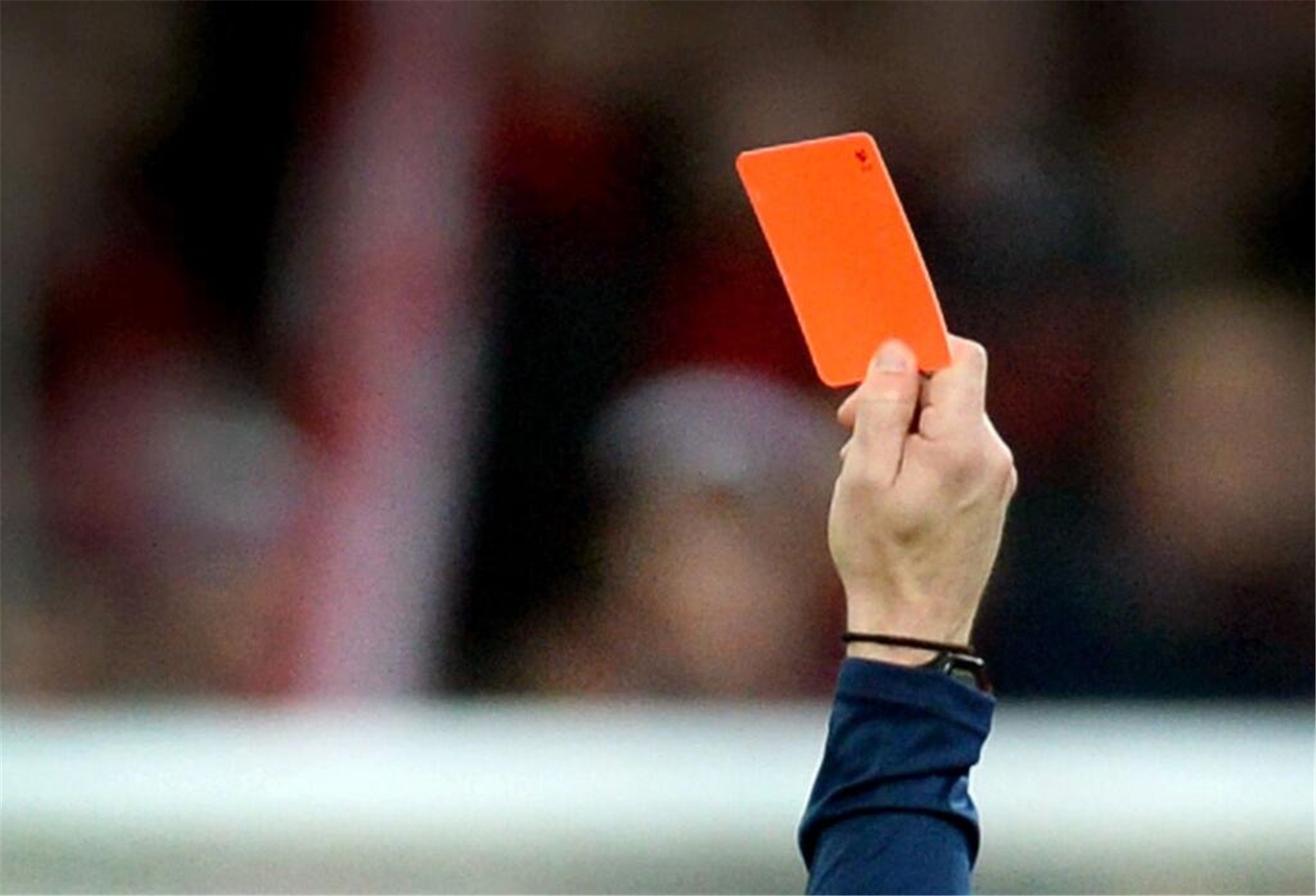
Drüke, who prefaced the game by explaining he was open to dialogue but "the tone makes the music," believes his pre-match briefing might have been misinterpreted. The critical moment arrived when Drüke issued a second yellow card, leading to a red, for a player from SC Osmanlispor, again for dissent. What followed was an immediate, shocking, and deeply personal attack that would fundamentally alter Drüke's experience as a referee.
The ejected player, visibly enraged, pulled off his jersey and launched into a tirade of vile abuse. According to Drüke, the player branded him an "AfD-Wähler" (a voter of the far-right Alternative for Germany party), performed the 'Hitler-Gruß' (Hitler salute), called him a "Nazi," and an "Erdogan-Hasser" (Erdogan hater). "I felt genuinely attacked as a human being and was totally hit by the racism accusations," Drüke later explained, still shaken by the events weeks later. This kreisliga eklat had morphed from a game control issue into a deeply personal, hate-filled assault.
Off-Pitch Fury and a Standoff
The player's outburst wasn't confined to the pitch. His teammates attempted to intervene and guide him off the field, but the fury continued. Off the touchline, the expelled Osmanlispor player allegedly continued his rampage, reportedly throwing a table and narrowly missing a spectator. But the drama wasn't over. He then turned back, re-entered the playing area, and approached Drüke once more, unleashing a fresh volley of insults.
In an unexpected turn, the match was eventually abandoned, not due to the direct threats against the referee, but because the entire SC Osmanlispor team collectively decided to leave the field. Their justification? They felt severely disadvantaged by the official's decisions. This collective act of protest further compounded the gravity of the kreisliga eklat, transforming an individual's outburst into a team-wide withdrawal.
Amidst the chaos, the actions of the opposing team, Preußen Lünen, stood out. Their players rallied around Drüke, accompanying him to the changing rooms and remaining with him until the police arrived. "That was incredibly kind of them," Drüke emphasized, a testament to the enduring spirit of sportsmanship that can sometimes shine through even the darkest incidents.
A Verdict Deemed "A Slap in the Face"
Following the abandonment, Drüke submitted a special report to the German Football Association (Verband). The subsequent disciplinary proceedings took nearly a month, culminating in a verdict from the association's judicial committee: a six-month ban for the offending player for unsportsmanlike conduct. However, due to the summer break intervening, the ban would effectively last only about two months.
"That is a slap in the face for me," Drüke declared, expressing profound disappointment. For him, the incident warranted a much more severe classification, at least "grossly unsporting conduct," given the gravity of the insults, including the deeply offensive 'Hitler-Gruß' and racist slurs. The perceived leniency of the punishment, particularly its reduced effective duration, sends a worrying signal about the protection offered to referees and the seriousness with which such egregious behavior is treated. This sentiment echoes concerns often raised in the wake of other incidents detailed in articles such as Player Outbursts & Controversial Bans: Inside Kreisliga's Growing Problem, highlighting a disconnect between the severity of on-field misconduct and the penalties handed down.
Safeguarding the Game: Addressing the Kreisliga Eklat Phenomenon
The Drüke incident is far from an isolated case; it's a stark reminder of the escalating challenges faced by amateur football officials. The Bremerhaven kreisliga eklat, where a bottle was thrown amidst a player brawl, exemplifies the broader issue of Escalating Violence: From Racist Attacks to Bottles Flying in Kreisliga. These incidents threaten the very foundation of grassroots football, deterring potential referees and eroding the enjoyment of the game for players and spectators alike.
Addressing this phenomenon requires a multi-faceted approach:
- Stricter and Consistent Penalties: Disciplinary bodies must impose sanctions that genuinely reflect the severity of the offense. Racist abuse, hate symbols, and threats should carry non-negotiable, lengthy bans that are not inadvertently softened by seasonal breaks. The focus should be on deterrence and clear messaging that such behavior is unacceptable.
- Enhanced Referee Support: Federations need to offer robust support systems for officials. This includes psychological counseling after traumatic incidents, clear channels for reporting abuse, and legal assistance when necessary. Referees are often volunteers, and their well-being must be prioritized.
- Education and Awareness Campaigns: Clubs, coaches, and players must be continuously educated on the importance of respect for officials, the rules of the game, and the devastating impact of hate speech. Pre-season workshops and mandatory sportsmanship pledges could be beneficial.
- Club Accountability: Clubs should be held more accountable for the behavior of their players and fans. Repeated incidents from a single club could lead to points deductions or even relegation, creating an incentive for clubs to proactively manage their team's conduct.
- Zero Tolerance for Hate Speech: There should be an unequivocal zero-tolerance policy for racist, discriminatory, or politically extremist language and gestures. The message must be clear: there is no place for hate on the football pitch.
The 'Hitler-Gruß' and racist insults hurled at Janis Drüke represent a profound violation of sportsmanship and human decency. While the passion of Kreisliga football is part of its charm, it must never serve as an excuse for such appalling behavior. The "slap in the face" verdict, as Drüke aptly put it, underscores an urgent need for football authorities to re-evaluate their disciplinary frameworks. Only through decisive action, robust support for officials, and a renewed commitment to the core values of respect and fair play can the beautiful game at its most grassroots level be truly safeguarded from such chaotic and deeply regrettable incidents.