The smell of freshly cut grass, the roar of a small but dedicated crowd, the pure passion for the beautiful game – this is the essence of Kreisliga football in Germany. It's where dreams of professional glory begin for some, and where others simply enjoy the camaraderie and competition. However, beneath this idyllic surface, a disturbing trend is emerging: a proliferation of player outbursts, escalating violence, and controversial bans that threaten to tarnish the very spirit of amateur football. This phenomenon, often referred to as a Kreisliga Eklat, is becoming a growing problem that demands urgent attention and decisive action.
The Dark Side of Amateur Football: Understanding the Kreisliga Eklat
A "Kreisliga Eklat" typically describes a scandal or dramatic incident in district-level football, ranging from heated arguments and disrespectful conduct to outright physical assaults and racist abuse. While passion is an inherent part of football, the intensity in some Kreisliga matches has unfortunately spilled over into aggression and lawlessness. These incidents not only jeopardize the safety of players, officials, and spectators but also undermine the integrity and enjoyment of the sport for everyone involved. The rising frequency and severity of these incidents are a clear indicator that something fundamental is shifting within Germany's grassroots football.
A Referee's Nightmare: The Dortmund Incident Unpacked
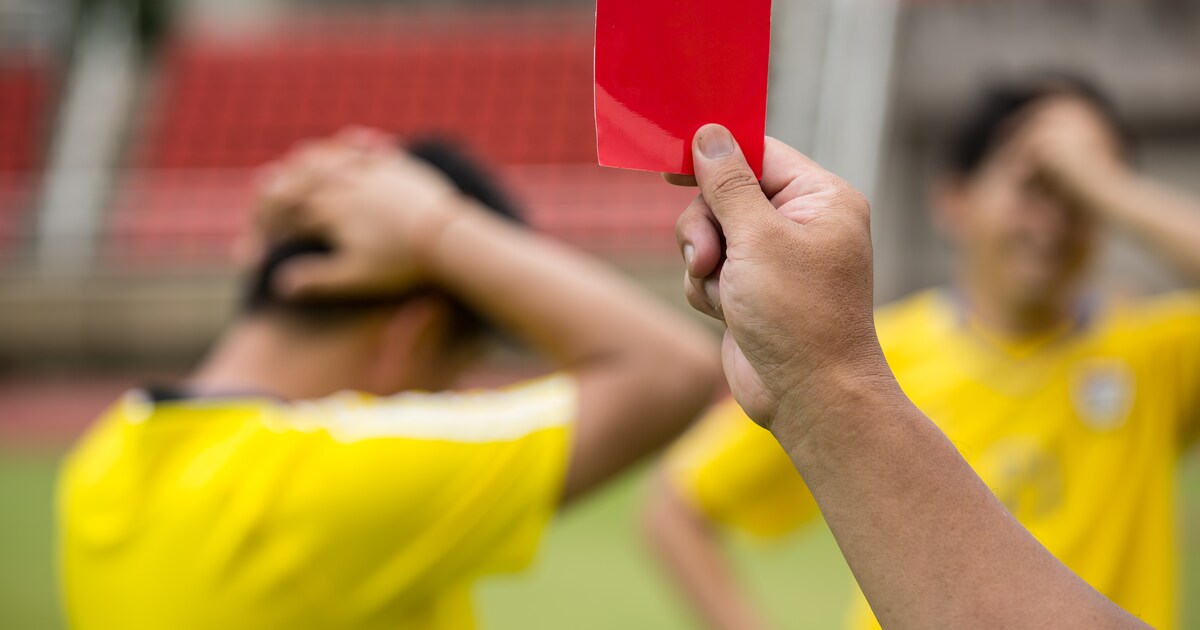
One of the most widely reported and egregious examples of a Kreisliga Eklat unfolded in Dortmund during a match between Preußen Lünen and SC Osmanlispor. In the 76th minute, referee Janis Drüke, having already issued seven yellow cards in a heated contest, showed a second yellow, followed by a red, to an Osmanlispor player for persistent dissent. What followed transcended mere unsportsmanlike conduct and delved into deeply troubling territory.
According to Drüke's account, the dismissed player completely lost control. He ripped off his shirt, launched into a tirade, calling the referee an "AfD-Wähler" (AfD voter), performing the abhorrent Hitler-Gruß, labeling him a "Nazi," and an "Erdogan-Hasser." Drüke later told FOCUS Online that he felt "humanly attacked" and deeply affected by the racist accusations. Even weeks later, the trauma lingered.
The player's rampage wasn't confined to the pitch. After being sent off, he continued to rage, reportedly throwing a table and nearly striking a spectator. He then returned to confront Drüke, unleashing further insults before the referee ultimately abandoned the match. Interestingly, Drüke clarified that the abandonment wasn't solely due to the threats, but because the entire Osmanlispor team collectively walked off, citing perceived bias from the official.
The aftermath saw players from the home team, Preußen Lünen, admirably escort Drüke to the changing room and stay with him until the police arrived. This act of solidarity highlighted the severe nature of the incident and the need for protection for officials. For a more detailed account of the emotional toll and subsequent controversial ruling, readers can explore our related article: Kreisliga Chaos: Referee Faces Hitler-Gruß, Calls Verdict 'Slap in Face'.
The subsequent judgment by the regional football association’s sports tribunal delivered a mere six-month ban for unsporting behavior. Due to the summer break, this effectively amounted to just two months of actual suspension. For Janis Drüke, this verdict was a profound disappointment, a "slap in the face" that he felt utterly failed to reflect the gravity of the offenses, particularly the racist abuse and public display of Nazi symbolism.
Beyond Verbal Abuse: Physical Violence and Spectator Involvement
While the Dortmund incident exemplifies extreme verbal and psychological abuse, other events underscore a dangerous escalation towards physical violence involving not just players, but also family members and spectators. A prime example occurred in Bremerhaven-Surheide during a Kreisliga match between TuSpo Surheide II and SFL Bremerhaven II.
Just before the final whistle, a physical altercation erupted on the field, quickly spiraling into chaos. The situation became so volatile that players, their relatives, and spectators all became embroiled in the fracas. Disturbingly, reports indicated that a bottle was even used during the melee. The severity of the incident necessitated the intervention of multiple police patrol cars to restore order. This particular Kreisliga Eklat highlights how rapidly a game can descend into outright violence when emotions run unchecked and boundaries are crossed.
The involvement of non-players is especially concerning, as it broadens the scope of risk and suggests a breakdown in the traditional respect for sporting boundaries. This trend of escalating violence, from racist attacks to objects being thrown, is a worrying development in amateur football. For further insights into the increasing levels of physical aggression, consider reading: Escalating Violence: From Racist Attacks to Bottles Flying in Kreisliga.
Why is this Happening? Unpacking the Root Causes of the Kreisliga Eklat
Understanding the underlying causes of this surge in bad behavior is crucial for developing effective solutions. Several factors contribute to the problem:
- Intense Pressure and Stakes: Despite being amateur leagues, Kreisliga matches often carry significant weight for local communities, with promotion, relegation, and fierce rivalries fueling an environment of high pressure.
- Lack of Professionalism and Support: Unlike higher leagues, Kreisliga benefits from fewer formal controls, limited security, and a reliance on often volunteer referees who may have varying levels of experience and support. This can lead to perceived injustices by players.
- Emotional Immaturity & Lack of Discipline: Some players struggle to manage their emotions under pressure, leading to impulsive and aggressive reactions. This often stems from a lack of self-control rather than malice, but the impact is still detrimental.
- Societal Issues Permeating Sport: Racism, xenophobia, and general societal frustrations can find an unfortunate outlet on the football pitch. The verbal abuse directed at referee Drüke is a stark reminder that these issues transcend the game itself.
- Perceived Injustice and Lack of Accountability: When players feel unfairly treated by officials, it can breed resentment and defiance. If disciplinary actions are then perceived as too lenient, as Drüke felt, it further weakens respect for authority and the rules.
- Influence of Spectators and Alcohol: While not explicitly detailed in every incident, the presence of emotionally charged spectators, sometimes fueled by alcohol, can exacerbate tensions and incite further disorder, as seen in the Bremerhaven incident.
Strategies for Tackling the Kreisliga Eklat: A Call for Action
Addressing the growing problem of the Kreisliga Eklat requires a multi-faceted approach involving clubs, players, officials, and the football associations themselves:
- Stricter and Consistent Penalties: Associations must review their disciplinary guidelines. Longer bans, significant financial penalties for individuals and clubs, and mandatory educational modules for offenders could send a clear message that such behavior will not be tolerated. The "slap in the face" sentiment from Drüke highlights the need for penalties that truly reflect the gravity of the offense.
- Enhanced Referee Protection & Support:
- Provide better training in de-escalation techniques and conflict management.
- Offer psychological support for referees who endure abuse.
- Implement a zero-tolerance policy for all forms of abuse against officials, ensuring they feel protected and respected.
- Ensure adequate escort and security protocols for referees in high-risk games.
- Player Education & Awareness Programs: Clubs should implement mandatory workshops on sportsmanship, respect, anger management, and the severe consequences of discriminatory behavior. Emphasizing the club's code of conduct and the impact of individual actions on the team and wider community is vital.
- Club Responsibility & Accountability: Football associations should hold clubs more accountable for the conduct of their players, coaching staff, and supporters. Repeated incidents could lead to point deductions or even temporary exclusion from competitions.
- Police Involvement for Serious Offenses: For incidents involving physical assault, hate speech, or public disorder, immediate police involvement should be standard procedure, ensuring legal consequences beyond sporting sanctions.
- Promoting Positive Fan Culture: Clubs and leagues can actively promote respectful fan behavior, perhaps through campaigns or designated fan representatives who can help manage crowd dynamics.
The Role of Referees: Prevention and De-escalation
Referees like Janis Drüke often find themselves on the frontline. While associations must provide support, referees themselves can play a role in prevention. Effective communication before and during matches, setting clear boundaries, and attempting to de-escalate tensions through calm but firm authority can sometimes prevent situations from boiling over. Drüke's pre-game advice – "you can talk to me, but the tone makes the music" – highlights a desire for dialogue, but this requires reciprocal respect from players.
The incidents described are not isolated. They are symptoms of a growing malaise that threatens the very heart of grassroots football. The beautiful game thrives on passion, but that passion must be tempered with respect, discipline, and sportsmanship. Only through a concerted effort from all stakeholders can the Kreisliga reclaim its reputation as a vibrant, fair, and safe environment for football to flourish.